
Grid Has Fallen Again! (1)
AEDC - 2024-09-11
Nigeria, a vast and populous nation, faces a significant challenge in providing reliable and affordable electricity to its citizens. The country's electricity grid is plagued by a number of issues, including inadequate infrastructure, technical inefficiencies, and a lack of investment.
Infrastructure Challenges
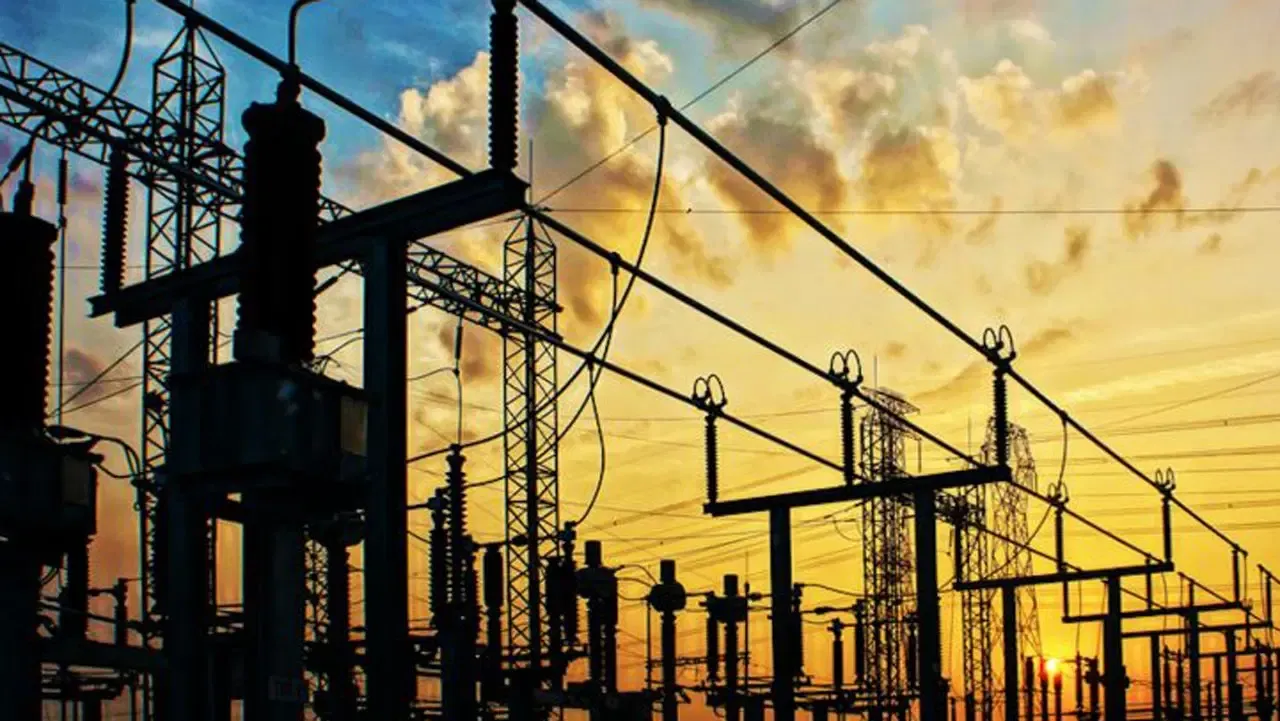
One of the major challenges facing Nigeria's electricity grid is inadequate infrastructure. The country's transmission and distribution networks are often outdated and in poor condition, leading to frequent power outages and losses. Additionally, many regions lack access to electricity altogether, particularly in rural areas.
Technical Inefficiencies
Technical inefficiencies also contribute to the problems with Nigeria's electricity grid. These include power theft, vandalism, and technical losses. Power theft, in particular, is a significant problem that reduces the amount of electricity available for distribution.
Lack of Investment
Investment in Nigeria's electricity sector has been insufficient to meet the country's growing energy needs. The government has made efforts to attract private investment, but progress has been slow. This lack of investment has hindered the development of new power plants and the modernization of existing infrastructure.
Consequences of Electricity Shortages
The lack of reliable electricity has far-reaching consequences for Nigeria. It impacts the economy, education, healthcare, and daily life of its citizens. Businesses struggle to operate efficiently, leading to job losses and economic stagnation. Schools and hospitals are unable to function properly, affecting the quality of education and healthcare services.
Efforts to Improve the Electricity Grid
Despite the challenges, the Nigerian government and private sector have been working to improve the electricity grid. These efforts include:
Power Plant Development:
The government has been investing in new power plants to increase electricity generation capacity.
Infrastructure Upgrades:
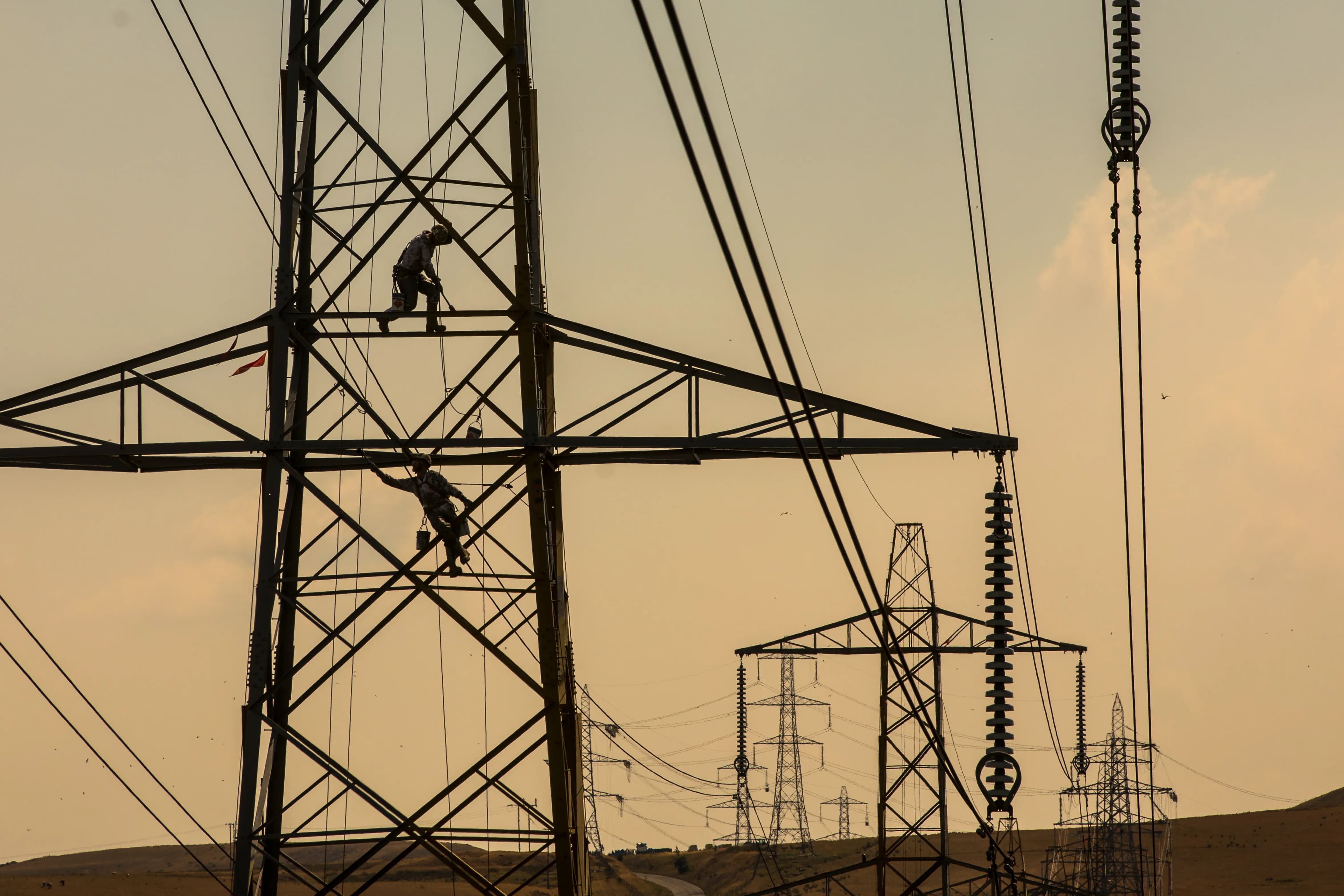
Efforts are being made to modernize the transmission and distribution networks to reduce losses and improve reliability.
Private Sector Participation:
The government has encouraged private sector investment in the electricity sector to increase efficiency and competition.
Renewable Energy:
There is a growing focus on renewable energy sources,
such as solar and wind power,
to diversify Nigeria's energy mix and reduce dependence on fossil fuels.
Conclusion Nigeria's electricity grid faces significant challenges, but there are also opportunities for improvement. By investing in infrastructure, addressing technical inefficiencies, and promoting renewable energy, the country can work towards providing reliable and affordable electricity to its citizens. This will not only improve the quality of life for Nigerians but also boost economic growth and development.
