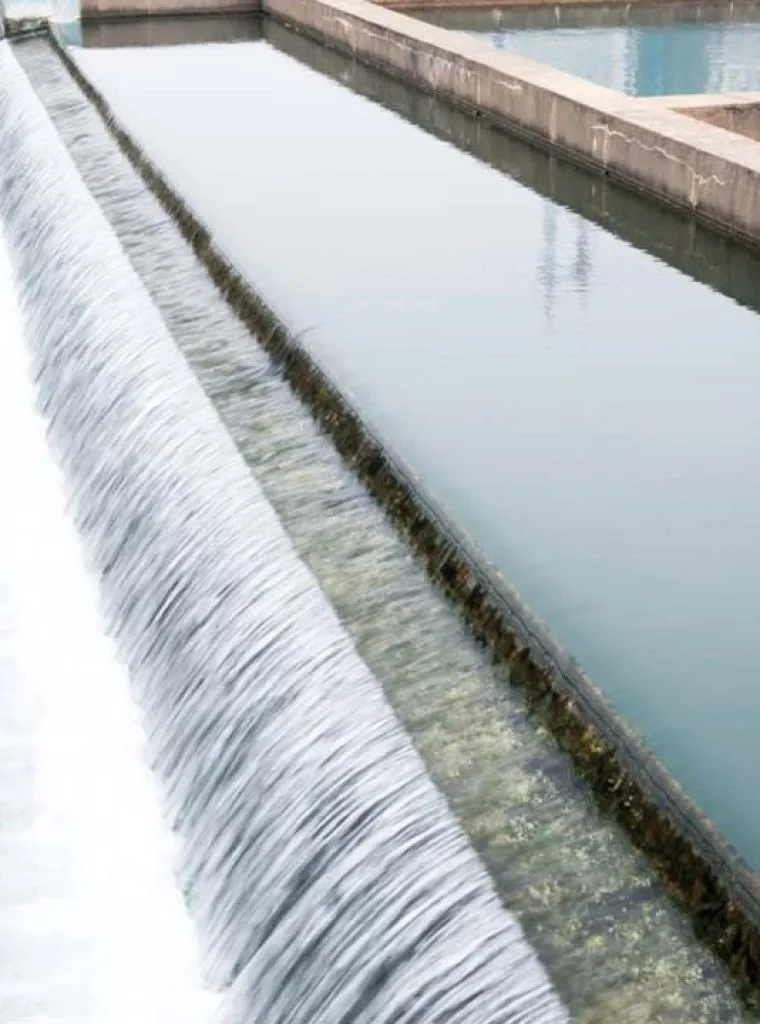
Rural Areas Affected By Water Pollution
Water Board - 2024-09-09
Water pollution is a pressing environmental issue that affects billions of people worldwide. It occurs when harmful substances are introduced into water bodies, such as rivers, lakes, oceans, and groundwater.
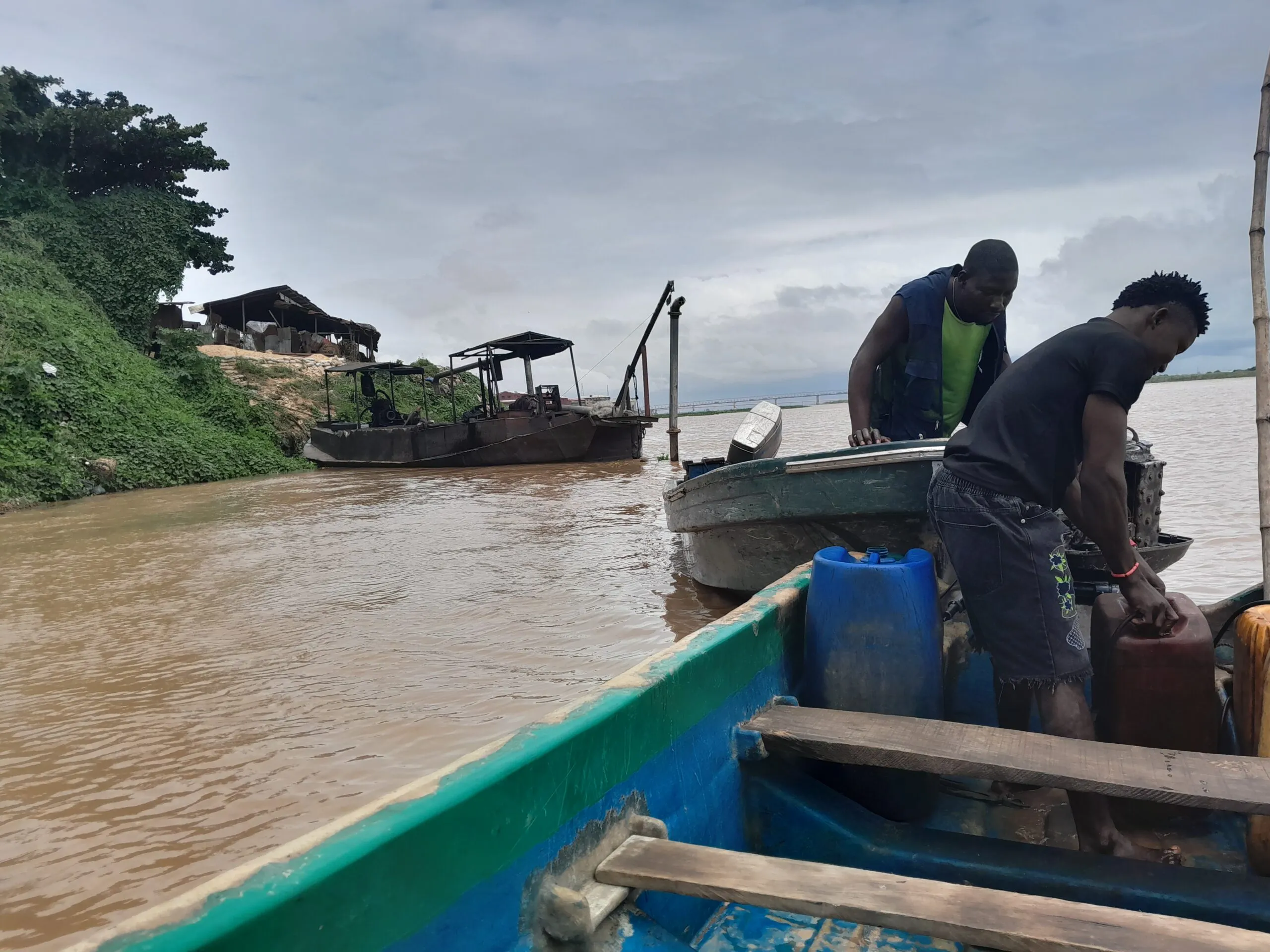
Causes of Water Pollution
The causes of water pollution are diverse and complex. Some of the major contributors include:
Industrial Activities:
Industrial processes can release a variety of pollutants into water bodies,
including heavy metals,
chemicals,
and toxic substances.
Agricultural Runoff:
Pesticides,
fertilizers,
and animal waste can contaminate water sources through agricultural runoff.
Sewage Treatment Failures:
Inadequate or malfunctioning sewage treatment plants can release untreated wastewater into rivers and lakes.
Mining Operations:
Mining activities can release pollutants such as heavy metals and sediments into nearby water bodies.
Oil Spills:
Accidental oil spills can have devastating consequences for marine ecosystems and coastal communities.
Impacts of Water Pollution
Water pollution has a wide range of negative impacts on ecosystems, human health, and the economy. Some of the key consequences include:
Harm to Aquatic Life:
Pollutants can harm or kill aquatic organisms,
including fish,
shellfish,
and aquatic plants.
Human Health Risks:
Contaminated water can cause a variety of health problems,
including diarrhea,
typhoid,
cholera,
and even cancer.
Economic Losses:
Water pollution can have significant economic impacts on industries such as tourism,
fishing,
and agriculture.
Environmental Degradation:
Water pollution can degrade ecosystems and reduce biodiversity.
Addressing Water Pollution
To address the issue of water pollution, it is essential to implement a combination of prevention and remediation strategies. Some of the key approaches include:
Pollution Prevention:
Implementing stricter regulations on industrial emissions,
promoting sustainable agricultural practices,
and improving sewage treatment infrastructure.
Wastewater Treatment:
Investing in advanced wastewater treatment technologies to remove pollutants before discharging treated water into water bodies.
Conservation and Restoration:
Protecting and restoring wetlands,
forests,
and other natural ecosystems that help filter and purify water.
Public Awareness and Education:
Raising awareness about the importance of water conservation and pollution prevention.
International Cooperation:
Collaborating with other countries to address transnational water pollution issues.
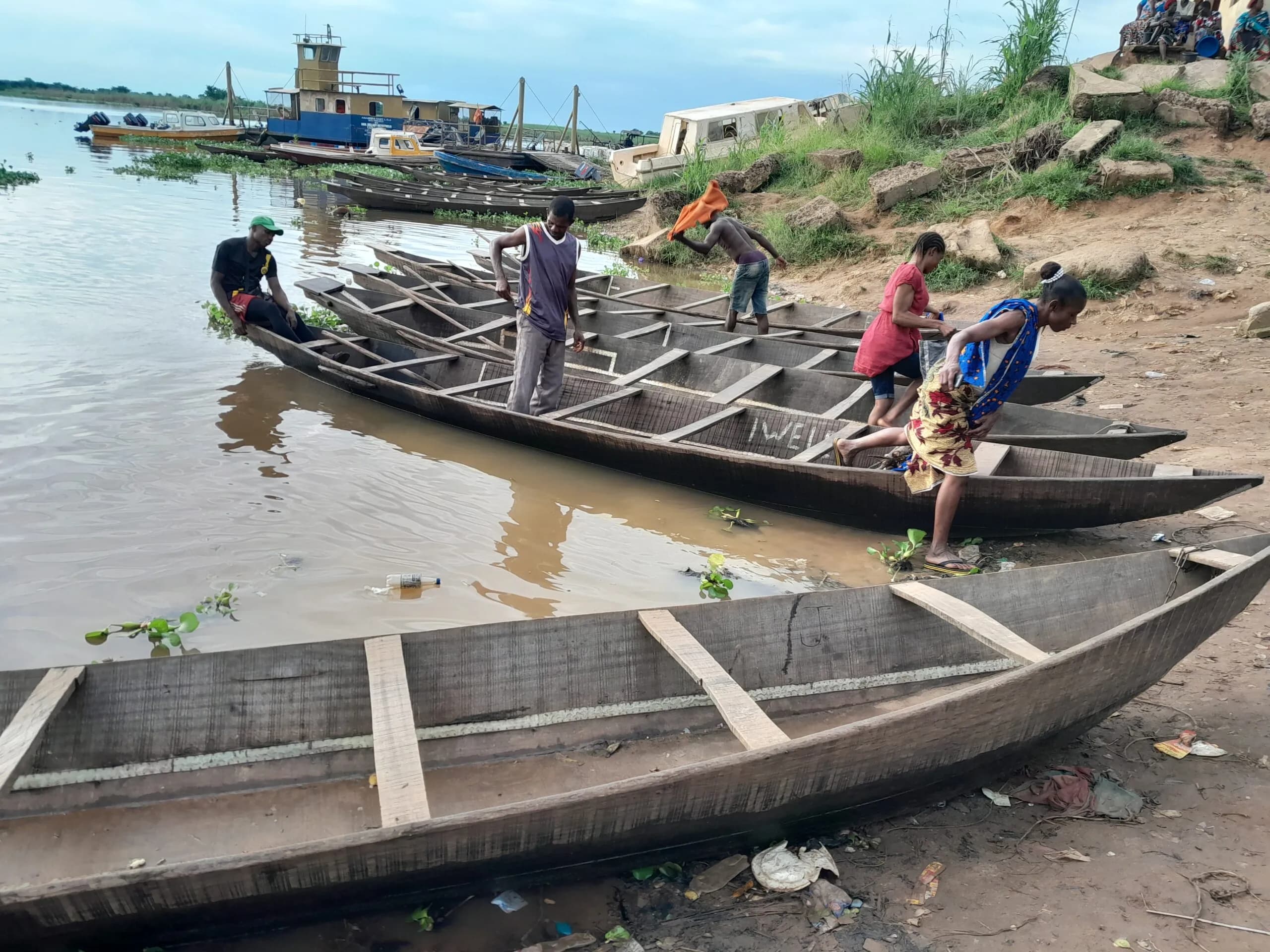
By taking a comprehensive approach to water pollution, we can protect our water resources and ensure a sustainable future for generations to come. By taking a comprehensive approach to water pollution, we can protect our water resources and ensure a sustainable future for generations to come.