Why Water Scarcity
Water Board - 2024-09-09
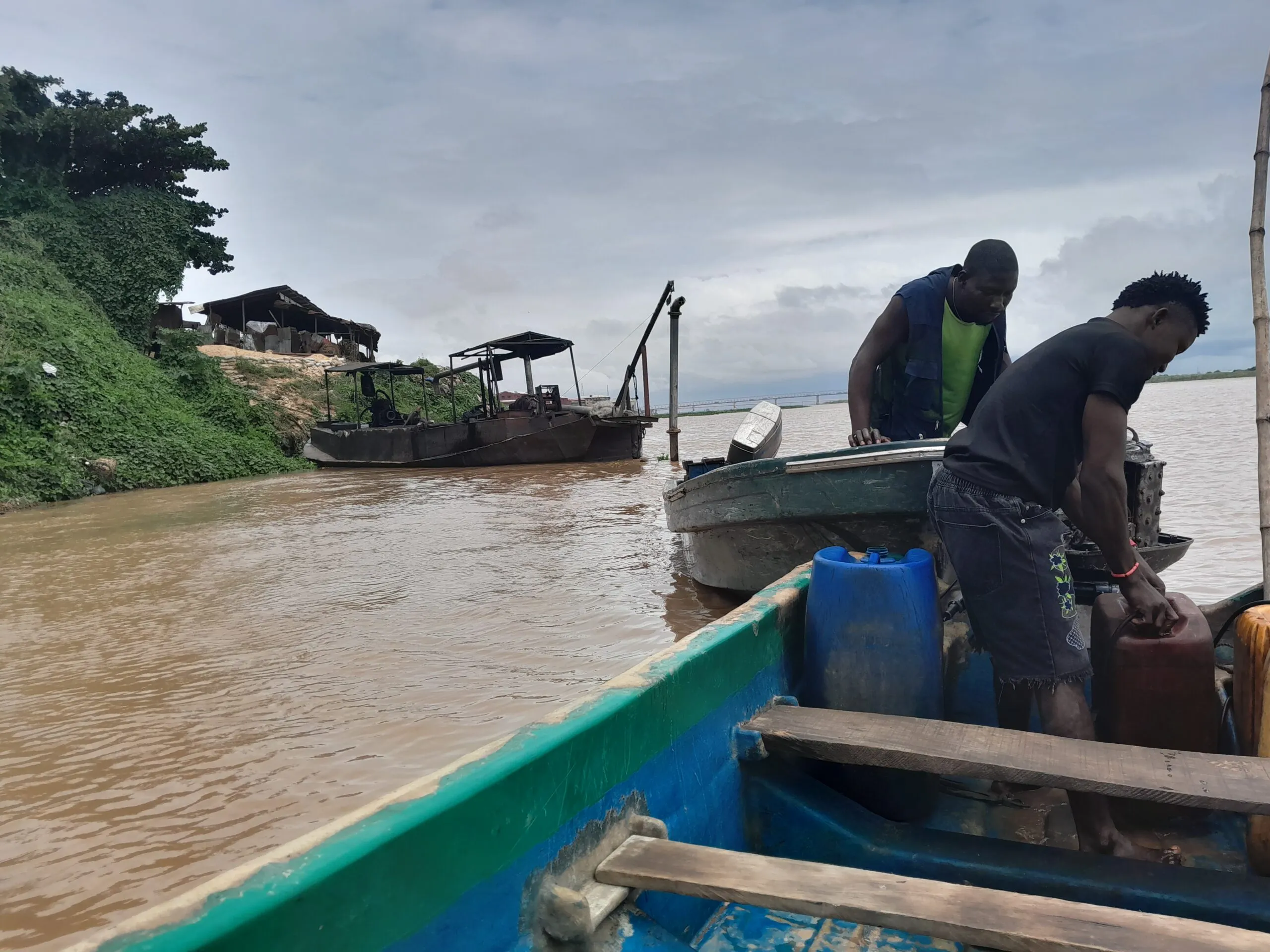
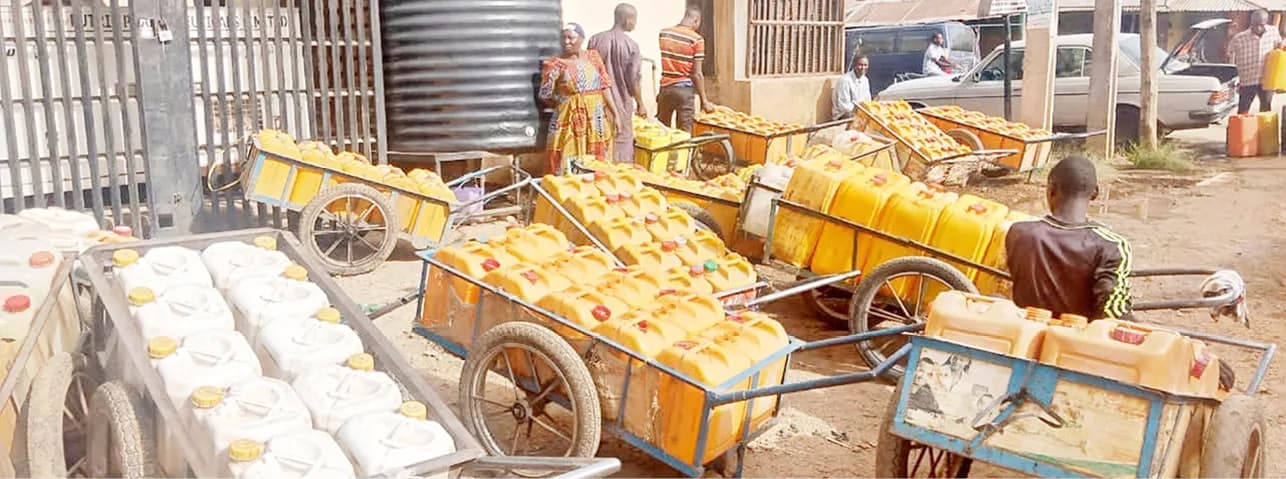
This water scarcity has far-reaching implications for the nation's health, economy, and overall development. In this blog post, we will explore the causes, consequences, and potential solutions to the water crisis in Nigeria.
Causes of Water Scarcity
Population Growth:
Nigeria's rapidly growing population puts increasing strain on existing water resources.
As the population expands,
the demand for water also rises,
leading to shortages in many areas.
Climate Change:
Climate change is exacerbating water scarcity in Nigeria.
Changes in rainfall patterns,
droughts,
and rising temperatures are contributing to the decline of water resources.
Pollution:
Pollution of water sources,
including rivers,
lakes,
and groundwater,
is a major problem in Nigeria.
Industrial waste,
agricultural runoff,
and domestic sewage contaminate water supplies,
making them unsafe for consumption.
Inefficient Water Management:
Inadequate infrastructure,
lack of proper water management practices,
and water wastage contribute to the water crisis.
Many regions lack the necessary facilities to collect,
store,
and distribute water efficiently.
Consequences of Water Scarcity
Health Issues:
Access to clean water is essential for good health.
Lack of clean water can lead to various diseases,
including diarrhea,
cholera,
typhoid,
and dysentery.
These diseases,
particularly among children,
can have devastating consequences.
Economic Impact:
Water scarcity affects various sectors of the Nigerian economy.
Agriculture,
a vital industry,
is particularly vulnerable to water shortages.
Reduced agricultural productivity can lead to food insecurity and economic losses.
Social Disruption:
The lack of water can lead to social unrest and conflict,
especially in areas where access to water is limited.
Competition for scarce water resources can exacerbate tensions within communities.
Potential Solutions
Investment in Water Infrastructure:
Building and improving water infrastructure,
such as dams,
reservoirs,
and pipelines,
is essential for addressing the water crisis.
This requires significant investment from both the government and the private sector.
Water Conservation:
Promoting water conservation practices among individuals,
businesses,
and communities is crucial.
This includes reducing water wastage,
using water-efficient technologies,
and implementing rainwater harvesting systems.
Wastewater Treatment:
Improving wastewater treatment facilities can help reduce pollution of water sources and ensure that treated water can be reused for various purposes.
Renewable Energy:
Investing in renewable energy sources can help power water treatment plants and pumping stations,
reducing reliance on fossil fuels and ensuring a sustainable water supply.
Community Engagement:
Engaging communities in water management decisions is essential for ensuring that solutions are sustainable and meet the needs of the people.
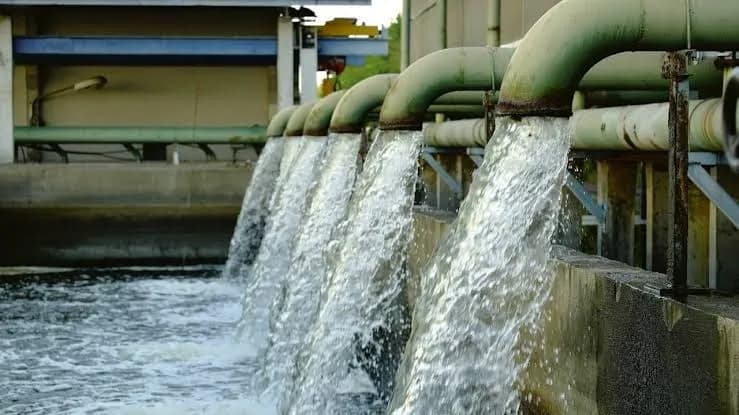
Conclusion The water crisis in Nigeria is a complex issue with far-reaching consequences. Addressing this crisis requires a multifaceted approach that involves government policies, technological advancements, and community participation. By implementing sustainable water management practices and investing in water infrastructure, Nigeria can ensure a more secure and equitable future for its people.